

NVIDIA DCGM Exporter: Setup and GPU Metrics Guide
Set up the NVIDIA DCGM Exporter with Docker or Helm, pick the right DCGM metrics, enable profiling counters, map GPUs to Kubernetes pods, and add alerts.

Sejal Pandey
Dynatrace Pricing Explained (2026): Rates, DPS and Real Costs
Dynatrace pricing explained: DPS annual commits, the hourly rate card for hosts, pods, logs and RUM, why memory drives Full-Stack cost, and a worked bill.
Sejal Pandey
Error Budgets: How to Calculate and Alert on Burn Rate
An error budget is the unreliability an SLO allows. Learn to calculate it, track burn rate, set multiwindow alerts in PromQL and write an error budget policy.
Sejal Pandey
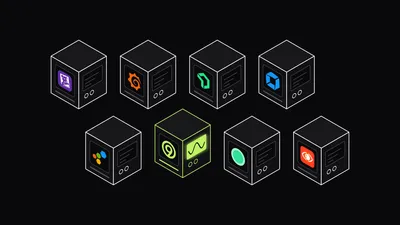
Best Observability Tools in 2026: 8 Platforms Compared
A practical comparison of the best observability tools in 2026: Last9, Datadog, Grafana Cloud, New Relic, Dynatrace, Honeycomb, Coralogix and SigNoz.
Sejal Pandey
Grafana Cloud Pricing Explained (2026): What Teams Pay
Grafana Cloud pricing broken down: free tier limits, Pro rates for metrics, logs and traces, how active series and DPM are billed, and worked cost examples.
Sejal Pandey
AI Agent Observability: What to Trace and What It Catches
AI agent observability means tracing tool calls, reasoning steps, and handoffs, not just tokens and latency. Here's what to instrument and why.
Sejal Pandey
Rails Performance Monitoring: What to Watch and Why It Slows Down
How to monitor a Rails application in production: reading Puma's stats endpoint, spotting GC pressure, and finding the query that's actually slow.
Sejal Pandey
SRE Automation Tools: What to Automate and Which Tools Help
SRE automation covers four different jobs: runbook automation, self-healing infrastructure, drift detection, and resilience testing.
Sejal Pandey
PHP Performance Monitoring: What to Watch and Why It Slows Down
How to monitor a PHP application in production: reading the PHP-FPM status page, checking OPcache health, and finding the request that is actually slow.
Sejal Pandey